Olive Skin Tones and Golden Undertones Development
Learn how olive and golden undertones emerge from newborn skin changes, genetics and childhood pigment development.
Olive skin tones and golden undertones are often subtle in newborns, whose complexion is temporarily influenced by circulation, birth-related swelling, vernix, bilirubin and the relative thinness of infant skin. During the first year, the balance of melanin, blood flow and skin maturation makes the underlying complexion easier to recognise. This change is gradual rather than a sudden “settling” of colour, and it can vary between the face, hands, trunk and areas that receive daylight.
What olive and golden undertones actually describe
Skin tone and undertone are related but not identical. Surface tone is the visible depth of colour, ranging from very fair to deep brown. Undertone refers to the more persistent hue beneath that surface: cool, warm, neutral, olive or a mixture. An olive undertone usually reflects a muted green-grey, yellow-green or beige-gold cast, rather than literal green skin. Golden undertones tend to show as yellow, honey, peach-gold or warm beige hues.
Olive and golden colouring can occur at many skin depths. A child may have light olive skin, medium golden-brown skin or deep skin with a warm golden undertone. In practical terms, olive colouring often looks less pink or red than a similarly light warm complexion. It may appear beige in indoor light, then take on a softly golden, muted green or bronzed quality outdoors.
Why an olive undertone can be difficult to identify
Olive is not a single pigment or a single gene. It is a visual result of several factors: the amount and type of melanin in the epidermis, the yellow-red contribution of carotenoids and haemoglobin, and the way light scatters through skin. In infants especially, the pinkness of active circulation can mask the underlying hue. A baby may look rosy in one room and distinctly golden or olive after a nap, in daylight, or when their temperature changes.
It is also common for relatives to use different words for the same complexion. One family member may call a child “golden”, while another sees “olive”. Both can be reasonable descriptions when a complexion has warmth but relatively low visible pinkness.
The biology behind complexion and undertone
Human pigmentation is polygenic: many DNA variants contribute small or moderate effects. Genes involved in melanin production, melanosome transport and pigment-cell regulation influence the eventual visible result, but no isolated gene determines an olive or golden undertone.
| Gene or locus | Relevant biological role | What it may contribute to visible complexion |
|---|---|---|
| MC1R | Regulates signalling between eumelanin and pheomelanin production | Can influence red-gold warmth, freckling and sun sensitivity, particularly in European populations |
| OCA2 / HERC2 | Influences pigmentation pathways and melanosome biology | Associated with variation in eye, hair and skin pigmentation; effects depend on the wider genetic background |
| TYR | Encodes tyrosinase, a key enzyme in melanin synthesis | Helps determine how efficiently melanin is produced |
| SLC24A5 | Supports ion exchange within melanosomes | Has a well-studied association with skin pigmentation differences across populations |
| EDAR | Affects ectodermal structures including hair and sweat glands | May indirectly accompany ancestry-linked patterns in hair texture and facial appearance, not a specific undertone |
Melanin exists chiefly as eumelanin, which creates brown-black pigment, and pheomelanin, associated with red-yellow pigment. Their proportions matter, but they do not provide a simple recipe for a child’s undertone. Blood vessels add pink, red or blue-violet influences; carotenoids from diet and normal skin stores can contribute yellow warmth; and skin thickness changes how all of these are seen.
Ancestry can inform broad probability, but it cannot provide a precise forecast. Olive and golden undertones occur in families with Mediterranean, Middle Eastern, North African, South Asian, East Asian, Southeast Asian, Latin American, Indigenous American and mixed heritage backgrounds, among many others. They are not exclusive to any population. Siblings can also differ noticeably because they inherit different combinations of pigment-related variants.
Why newborn skin can look different from later childhood skin
At birth, a baby’s skin is adapting rapidly to air, temperature changes and independent circulation. The skin barrier is still maturing, and blood vessels are comparatively visible. Newborns may be red, mottled, pale, bluish around hands and feet, or covered with vernix. These early appearances are poor guides to the complexion seen several months later.
Common temporary influences
- Birth-related redness: pressure, crying and vasodilation can make the face appear much pinker than its baseline tone.
- Acrocyanosis: blue-grey hands and feet are common shortly after birth and reflect circulation, not an olive undertone.
- Physiological jaundice: yellowing caused by bilirubin commonly peaks around days three to five. This is medically distinct from a naturally golden undertone.
- Dryness and peeling: common in the first weeks, especially after a later-term birth, and can make skin look grey, dull or uneven.
- Sun exposure: even modest incidental exposure can deepen pigment over time; infant skin should be protected rather than used to assess a “natural tan”.
Jaundice deserves particular care. Golden-looking skin that develops quickly, spreads from the face down the body, affects the whites of the eyes, or is accompanied by poor feeding, unusual sleepiness or dark urine needs prompt clinical assessment. Undertone is stable and subtle; jaundice is a change in colour that may require monitoring or treatment.
When olive and golden undertones become visible
There is no universal date when a child’s complexion “locks in”. Pigmentation continues to respond to development, hormones and ultraviolet exposure throughout childhood. However, the infant’s baseline colouring usually becomes more interpretable over the first year.
| Age | What parents may notice | How reliable the apparent undertone is |
|---|---|---|
| Birth to 6 weeks | Redness, mottling, peeling and temporary yellow or blue casts | Low reliability |
| 2 to 6 months | Less newborn redness; baseline beige, golden or muted colouring may emerge | Moderate reliability |
| 6 to 12 months | More consistent skin tone across cheeks, torso and limbs | Often a useful guide, though still evolving |
| Age 3 | Stable early-childhood complexion; outdoor exposure may create seasonal variation | Generally clear |
| Ages 6 and 10 | Undertone is usually readily recognisable; freckles and sun response may become more evident | High, with seasonal changes |
| Age 18 | Puberty, lifestyle and sun exposure can alter surface depth and oiliness | Underlying undertone remains, but presentation can shift |
For age-based facial renderings at 3, 6, 10 and 18 years, it is most realistic to treat skin colour as a plausible range rather than a fixed swatch. A three-year-old’s complexion may show the family’s olive or golden tendency clearly, while the 18-year-old version may appear somewhat deeper, more even or more seasonally variable.
How to observe your child’s baseline complexion more accurately
Natural indirect daylight is the most useful setting. Look at the cheeks, forehead, upper chest and inner arm rather than relying only on hands, which are often cooler, drier or more exposed. Compare observations over several days, when your child is well, warm and not immediately after crying or bathing.
Phone cameras are imperfect tools for skin assessment. Automatic white balance may remove warmth, exaggerate yellow, or shift olive skin towards grey. Indoor LED lighting can do the same. If documenting changes for a health professional, take photographs in consistent daylight without filters and note when the colour change began.
Family patterns that may offer clues
Parents can look beyond their own facial skin tone. Grandparents, siblings and close relatives may reveal recurring traits such as a muted beige complexion in winter, rapid bronzing in summer, warm golden skin with dark hair, or a tendency towards freckles. These observations can suggest the range of outcomes in a family, but they cannot establish which combination a child will express.
Hair and eye colour should not be treated as decisive evidence. Dark hair can occur with cool, warm or olive skin; hazel, brown, green and blue eyes also appear across many complexion categories. Facial bone development, influenced by many genes including regulators such as RUNX2 and PAX3, is biologically separate from the pigment pathways that shape skin colouring.
Frequently asked questions
Can a baby be born looking fair and develop an olive complexion later?
Yes. Many babies initially appear lighter or pinker than they will later because newborn skin is thin and circulation is prominent. As early skin changes settle and melanin expression becomes more visible over the first six to twelve months, a muted golden or olive undertone may become easier to see.
Is a golden undertone the same as jaundice?
No. A golden undertone is a stable aspect of normal complexion. Jaundice is a yellowing caused by raised bilirubin and commonly appears in the first days after birth. Yellow eyes, increasing yellow colour, lethargy or feeding difficulties should be discussed promptly with a midwife, GP or paediatric clinician.
Will an olive-skinned child always tan easily?
Not necessarily. Olive undertone and sun response overlap imperfectly. Some olive-complexioned children tan gradually, some burn before tanning, and some do both depending on the season and exposure intensity. Sun protection remains important for every skin tone.
Can two parents with different undertones have a child with a neutral-looking complexion?
Yes. A child inherits a shuffled set of many pigment-related variants, not a simple blend of parental appearance. The result may resemble one parent, a grandparent or a combination that appears more neutral, warmer, cooler, lighter or deeper than expected.
What our users say
Lena K.
Germany
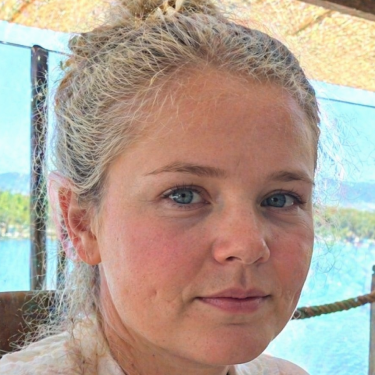
"We used BabyMorph almost as a joke during my third trimester — something to do on a Sunday afternoon. What came out was a baby girl with very light eyebrows, a wider forehead, and this particular way the nose sits slightly to the left. She was born six weeks later. The eyebrows. The forehead. The nose. Nobody believes it was generated before she arrived."
Their AI baby result

Jason T.
United States
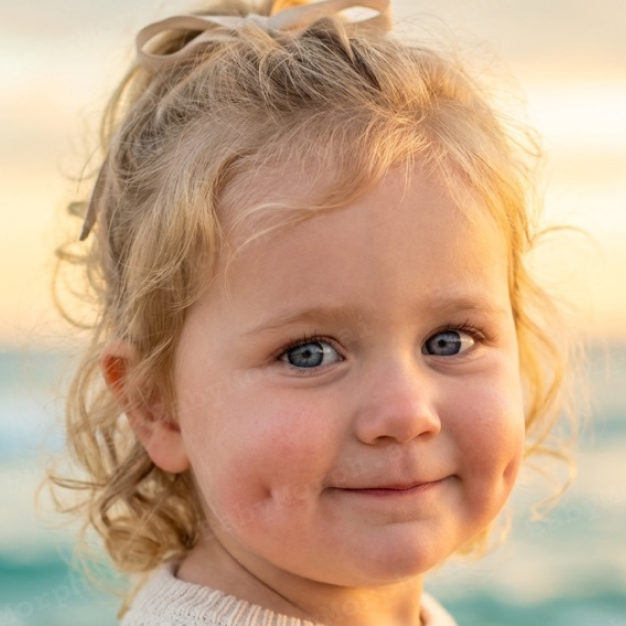
"I have an Asian wife and I've made a habit out of breaking these AI baby tools. Every single one I've tried has completely failed. BabyMorph actually blended her features and mine in a way that made sense — you could see both of us in there without one canceling out the other. People keep asking if it's a real photo."
Their AI baby result
Frequently Asked Questions
When do these specific traits mature fully?
While core structural baselines emerge at birth, overall skeletal proportionality and cartilage mapping continue adjusting actively through childhood.
How do olive and golden undertones develop in children?
Olive and golden undertones gradually become more recognizable during a child's first year as their skin matures, melanin balance stabilizes, and temporary newborn colorations fade. This process isn't sudden but is influenced by genetics, blood flow, and skin thickness, making the underlying hue clearer over time. Complexion can also subtly shift based on light exposure and hormonal changes throughout childhood.
What is the difference between skin tone and undertone?
Skin tone refers to the visible depth of color on the skin's surface, ranging from fair to deep. Undertone, conversely, is the subtle, persistent hue beneath the surface that influences how colors appear on the skin. While tone is the immediate appearance, undertone (cool, warm, neutral, olive) describes the underlying shade that doesn't change with sun exposure or temporary conditions. Both are genetically determined.
Why is it difficult to identify olive undertones in babies?
Identifying an olive undertone in babies is challenging because their active circulation often causes a pink flush, masking the underlying hue. A baby's complexion can vary with temperature changes, lighting, or after naps, appearing rosy one moment and golden or olive the next. Also, an olive undertone isn't a single pigment but a visual effect of melanin, carotenoids, and hemoglobin interacting with light.
Can genetics predict if my child will have an olive undertone?
Genetics play a significant role in pigmentation, but no single gene determines an olive or golden undertone. Human pigmentation is polygenic, meaning many DNA variants contribute small effects, influencing melanin production and distribution. While ancestry can indicate a higher probability, siblings can have noticeably different complexions due to inheriting varied combinations of these pigment-related genes.
Why does newborn skin look so different from older children?
Newborn skin differs significantly due to rapid adaptation to external air and temperature, an immature skin barrier, and visible blood vessels. Early appearances like redness from birth pressure, bluish hands (acrocyanosis), or physiological jaundice are temporary and poor indicators of later complexion. These transient factors mask the underlying skin tone and undertones that become clearer over the first year.
When do olive or golden undertones become clearly visible?
Olive and golden undertones typically become more clearly visible and interpretable over the first year of a child's life. While there's no fixed date for complexion "locking in," the temporary influences of newborn skin (like jaundice or birth redness) fade, and the skin's melanin balance matures. Pigmentation continues to respond to development, hormones, and sun exposure throughout childhood, causing subtle shifts.
What does an olive undertone look like on a child?
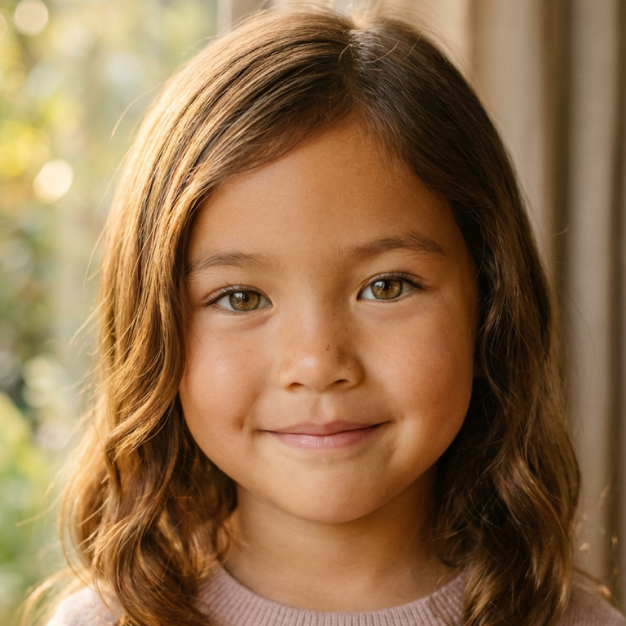
An olive undertone usually presents as a muted green-grey, yellow-green, or beige-gold cast on the skin, rather than literal green. It often appears less pink or red compared to other warm complexions. In varying light, it might look beige indoors, then take on a subtly golden, muted green, or bronzed quality outdoors. This undertone can occur at any depth of skin color.