How Melanin Stabilizes in South Asian Baby Complexions
How South Asian baby complexions settle over time: melanin, genetics, the first 24 months and normal childhood changes.
South Asian babies can show striking changes in complexion during the first two years of life. A newborn may appear lighter, redder, more olive, or less evenly pigmented than they will later be. This is not a simple “final skin tone” switch at birth: it reflects the gradual activity of melanocytes, the cells that make melanin, alongside normal changes in circulation, skin thickness, sun exposure and growth.
Why a newborn’s complexion can look different from later skin tone
Skin colour is determined chiefly by melanin quantity, melanin type and the way pigment is packaged within the upper layers of skin. Most people have a broadly similar number of melanocytes. What differs is how actively those cells produce pigment, whether they produce more brown-black eumelanin or red-yellow pheomelanin, and how melanosomes, the pigment-containing structures, are distributed and retained in skin cells.
At birth, these systems are active but still adapting. Newborn skin is thin, has a developing barrier, and is strongly affected by blood flow. Crying, feeding, cold air or warmth can make a baby appear temporarily pinker, deeper-toned, mottled or paler. In babies with more melanin, these vascular changes may appear as a purplish, reddish-brown or grey cast rather than obvious redness.
It is also important not to treat “South Asian” as one skin-colour category. The region includes enormous genetic and ancestral diversity, from very fair to deeply pigmented complexions, with many undertones. A child’s eventual complexion may resemble either parent, a grandparent, or fall between familiar family shades.
The genetics behind melanin variation
Many genes contribute, not one complexion gene
Complexion is a polygenic trait: many inherited genetic variants contribute small or moderate effects. Some genes influence melanin production directly, while others affect melanosome transport, skin-cell signalling, facial pigmentation patterns or the skin’s response to ultraviolet light.
Genes and regions often discussed in pigmentation research include MC1R, which helps regulate the balance between eumelanin and pheomelanin; TYR, which encodes tyrosinase, an enzyme essential for melanin synthesis; and SLC24A5, a pigmentation-associated gene with variants that have differed in frequency among populations. OCA2 and the nearby HERC2 region are especially well known for eye-colour variation in European populations, but they also participate in pigment biology more broadly.
These genes do not supply a reliable formula for predicting an individual South Asian child’s skin tone. Their effects depend on combinations of variants across the genome, ancestry, and developmental and environmental influences. A parent with a lighter complexion may carry variants associated with deeper pigmentation, and vice versa. Family photographs across several generations are generally more informative than trying to infer a child’s future tone from one visible parental shade.
Melanin does not work independently of skin structure
Visible colour is also shaped by the skin barrier, dermal thickness and underlying blood vessels. Newborns have relatively delicate skin, so warm or cool undertones can be more conspicuous than they will be later. As the epidermis matures, the way light scatters through the skin changes. This is one reason a baby may seem to “darken” or become more even in tone without a sudden change in their inherited pigmentation.
The first 24 months: a practical timeline
The first two years are a useful period for observing the settling of complexion, but they are not a strict biological deadline. Pigmentation can continue to shift subtly through childhood and puberty. The table below describes typical patterns, not a schedule that every child follows.
| Age | Common complexion changes | What parents may notice |
|---|---|---|
| Birth to 2 weeks | Circulation, birth-related swelling and thin skin strongly affect appearance. | Temporary pink, purple, greyish or uneven areas; hands and feet may look darker or cooler. |
| 1 to 6 months | Melanin activity and the skin barrier become more apparent. | Complexion often becomes more even; some babies develop a clearer golden, olive, brown or neutral undertone. |
| 6 to 12 months | Growth and ordinary daylight exposure can reveal more stable baseline pigmentation. | Contrast between facial skin, limbs and covered areas may be noticeable, especially after summer. |
| 12 to 24 months | Many children show a recognisable early-childhood complexion. | The child may now resemble a parent or grandparent more clearly, though gradual change remains normal. |
| After age 2 | Sun response, inflammation and later hormonal development can alter visible tone. | Freckles, tanning tendency or deeper pigmentation in folds may become clearer over time. |
When complexion is visible in childhood face renderings
For age-based facial renderings, complexion is best understood as an estimate of likely pigmentation range rather than a fixed colour sample. At age 3, most children have moved beyond the newborn circulatory effects and have a relatively stable baseline tone. Their skin can still vary seasonally and may look lighter in winter or deeper after regular outdoor exposure.
At age 6, a child’s underlying pigmentation pattern is usually more consistently expressed. Sun-exposed areas may tan, and small differences between the face, arms and torso can be visible. At age 10, complexion often remains broadly similar but the child’s facial proportions, skin texture and outdoor routines can change how that colour is perceived.
By age 18, puberty may have affected oil production, acne risk and post-inflammatory pigmentation. In South Asian skin, spots, eczema, insect bites or friction can leave temporary darker marks, known as post-inflammatory hyperpigmentation. These marks are not the same as a person’s inherited baseline complexion.
Features that can be mistaken for a changing skin tone
Several common infant and childhood features can make parents think the child’s pigmentation is changing more dramatically than it is:
- Neonatal jaundice: a yellow cast, often most visible in the whites of the eyes, needs medical assessment if it is persistent, worsening or accompanied by poor feeding.
- Dermal melanocytosis: blue-grey patches, commonly on the lower back or buttocks, are frequent in babies with Asian, African, Middle Eastern or mixed ancestry. They are benign and commonly fade over years.
- Dry skin or eczema: inflammation can appear darker, purplish, grey or ashen on brown skin and may leave darker areas after healing.
- Sun tanning: inherited tone is not identical to a child’s tan. Ultraviolet exposure stimulates melanin production and can produce uneven darkening.
- Lighting and photography: warm indoor bulbs, phone camera processing and white balance can substantially alter apparent undertones.
Supporting healthy skin without trying to alter pigmentation
Healthy care protects the skin without attempting to lighten, bleach or artificially darken it. Use shade, protective clothing and a broad-spectrum sunscreen suitable for the child’s age and skin type when exposure cannot be avoided. Infants under six months should primarily be protected with shade and clothing; parents can discuss sunscreen use for small exposed areas with a clinician where necessary.
Gentle, fragrance-free moisturisers can support the skin barrier, particularly if a baby has dry patches or eczema. Avoid unregulated “fairness” creams, skin-lightening products and home remedies. Some products have contained potent corticosteroids, mercury or hydroquinone, which can harm skin and overall health. A paediatrician or dermatologist should review persistent rashes, rapidly spreading pigment changes, pale patches with sharply defined edges, or a changing mole or birthmark.
Frequently asked questions
Will my South Asian baby become darker after birth?
They may appear deeper or more evenly pigmented over the first months, but this is not universal. The change often reflects maturing skin, increasing melanin expression and less prominent newborn redness. Their eventual complexion is influenced by many inherited variants from both sides of the family.
Is 24 months when skin tone becomes permanent?
No. By roughly 12 to 24 months, many children have a recognisable early-childhood baseline complexion. However, pigmentation can still change with seasons, sun exposure, eczema, growth and puberty. “Settled” is more accurate than “permanent”.
Why are my baby’s hands, knees or skin folds darker?
Differences in circulation, friction, dryness and naturally thicker skin in some areas can create darker-looking hands, knees, elbows or folds. Mild variation is common. Seek medical advice if darkening is sudden, widespread, velvety, painful, itchy or accompanied by other symptoms.
Can parents predict complexion from their own skin shades?
Only broadly. Looking at parents, siblings and grandparents can suggest a plausible family range, but no visible trait predicts a precise outcome. Complexion involves many genes, and an individual child can express combinations that are not obvious from either parent alone.
What our users say
Lena K.
Germany
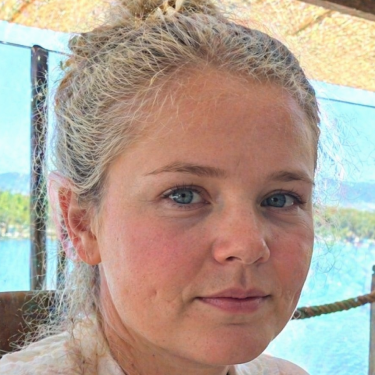
"We used BabyMorph almost as a joke during my third trimester — something to do on a Sunday afternoon. What came out was a baby girl with very light eyebrows, a wider forehead, and this particular way the nose sits slightly to the left. She was born six weeks later. The eyebrows. The forehead. The nose. Nobody believes it was generated before she arrived."
Their AI baby result

Jason T.
United States
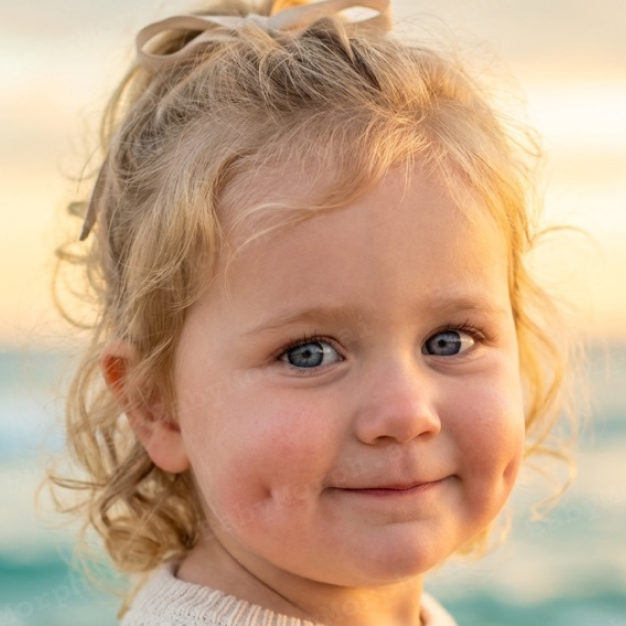
"I have an Asian wife and I've made a habit out of breaking these AI baby tools. Every single one I've tried has completely failed. BabyMorph actually blended her features and mine in a way that made sense — you could see both of us in there without one canceling out the other. People keep asking if it's a real photo."
Their AI baby result
Frequently Asked Questions
When do these specific traits mature fully?
While core structural baselines emerge at birth, overall skeletal proportionality and cartilage mapping continue adjusting actively through childhood.
Why does South Asian baby skin change colour so much?
South Asian baby complexions change significantly because melanocytes, the cells producing melanin, gradually become more active and adapt after birth. This, combined with changes in circulation, skin thickness, and environmental factors like sun exposure, contributes to the settling of the baby's skin tone over the first two years of life. Newborn skin is thin and strongly affected by blood flow, which can temporarily alter its appearance.
How long does it take for baby's true skin tone to show?
A baby's true underlying skin tone typically begins to stabilize and become more apparent between 6 to 12 months, and often becomes recognisable by 12 to 24 months. However, pigmentation can continue to shift subtly throughout childhood and even into puberty due to ongoing genetic expression, sun exposure, and hormonal changes. The first two years are a key period for observing these initial shifts.
Do South Asian babies get lighter or darker after birth?
South Asian babies can appear either lighter or darker after birth, and their complexion may become more even over time. A newborn's skin is thin and highly influenced by circulation, which can make them seem lighter, redder, or unevenly pigmented. As melanocyte activity increases and skin matures, the skin tone tends to stabilize, often appearing more like the child's inherited baseline, which could be deeper or more consistent than their initial newborn appearance.
What genes determine South Asian skin colour?
Skin colour in South Asian individuals is a <strong>polygenic trait</strong>, meaning many inherited genetic variants contribute to its expression, rather than just one. Genes like <em>MC1R</em>, <em>TYR</em>, and <em>SLC24A5</em> are known to influence melanin production and distribution. However, the exact combination of these and other genes, along with environmental factors and ancestry, determines an individual's specific complexion, making it complex to predict from single genes.
Can baby's skin tone change after 2 years old?
Yes, a child's skin tone can continue to change subtly after two years old, although the most significant shifts typically occur within the first 24 months. Factors such as sun exposure, inflammation, and later hormonal developments during puberty can alter visible tone. Freckles may appear, tanning tendencies become clearer, or pigmentation in skin folds might deepen over time. The skin's response to environmental factors remains dynamic.
How does BabyMorph predict a South Asian baby's complexion?
BabyMorph uses AI to predict a potential range of complexions for a future South Asian child by analyzing parent photos and understanding the complex interplay of genetics. While it cannot provide a single, definitive shade due to the polygenic nature of skin tone and environmental factors, it aims to illustrate the likely variation. The AI considers inherited tendencies in melanin production and distribution, offering an estimate of what the child's complexion might look like as it stabilizes.
Will my baby have the same skin tone as me or my partner?
Your baby's skin tone may resemble either you, your partner, a grandparent, or fall somewhere between familiar family shades. Skin complexion is a complex trait determined by many genes, and parents can carry variants that might express differently in their child. Family photographs across several generations can often be more informative than trying to infer a child's future tone from just one parent's visible shade, as children inherit a unique combination of genetic traits.