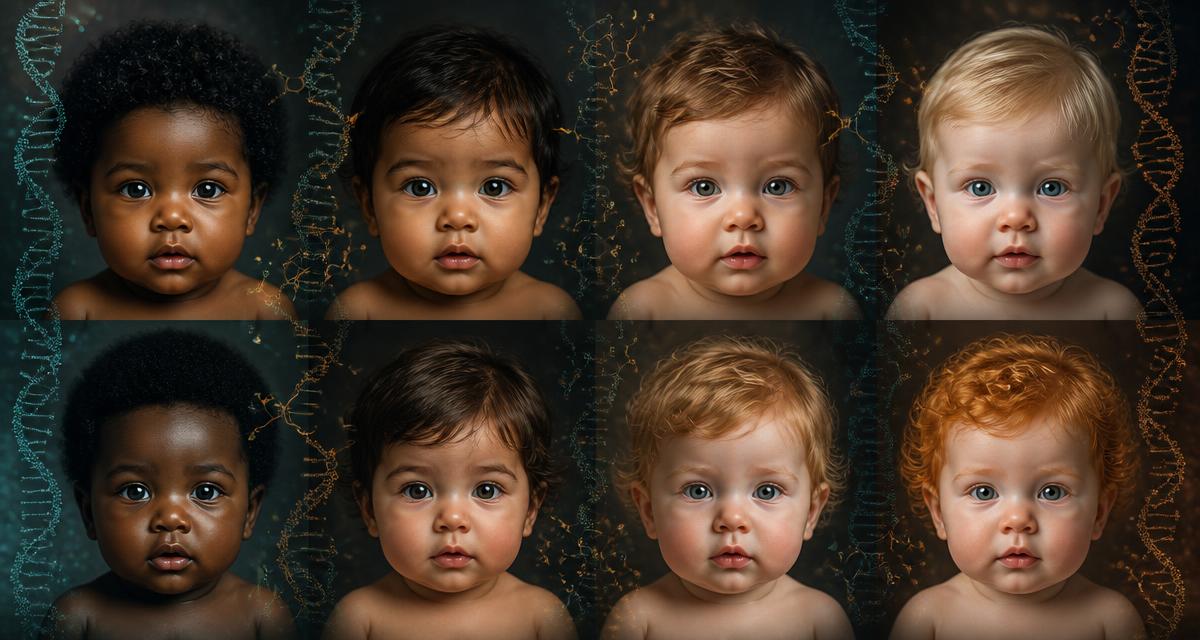
Baby Face from Ultrasound: Can AI Predict It?
Many expecting parents wonder if it is possible to see their baby’s face before birth. With the rise of artificial intelligence, a new trend has emerged: u…
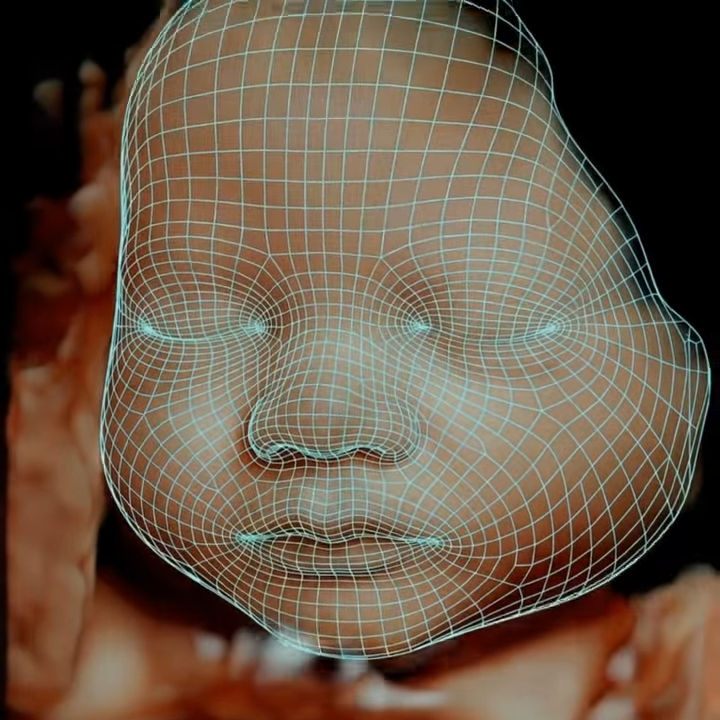
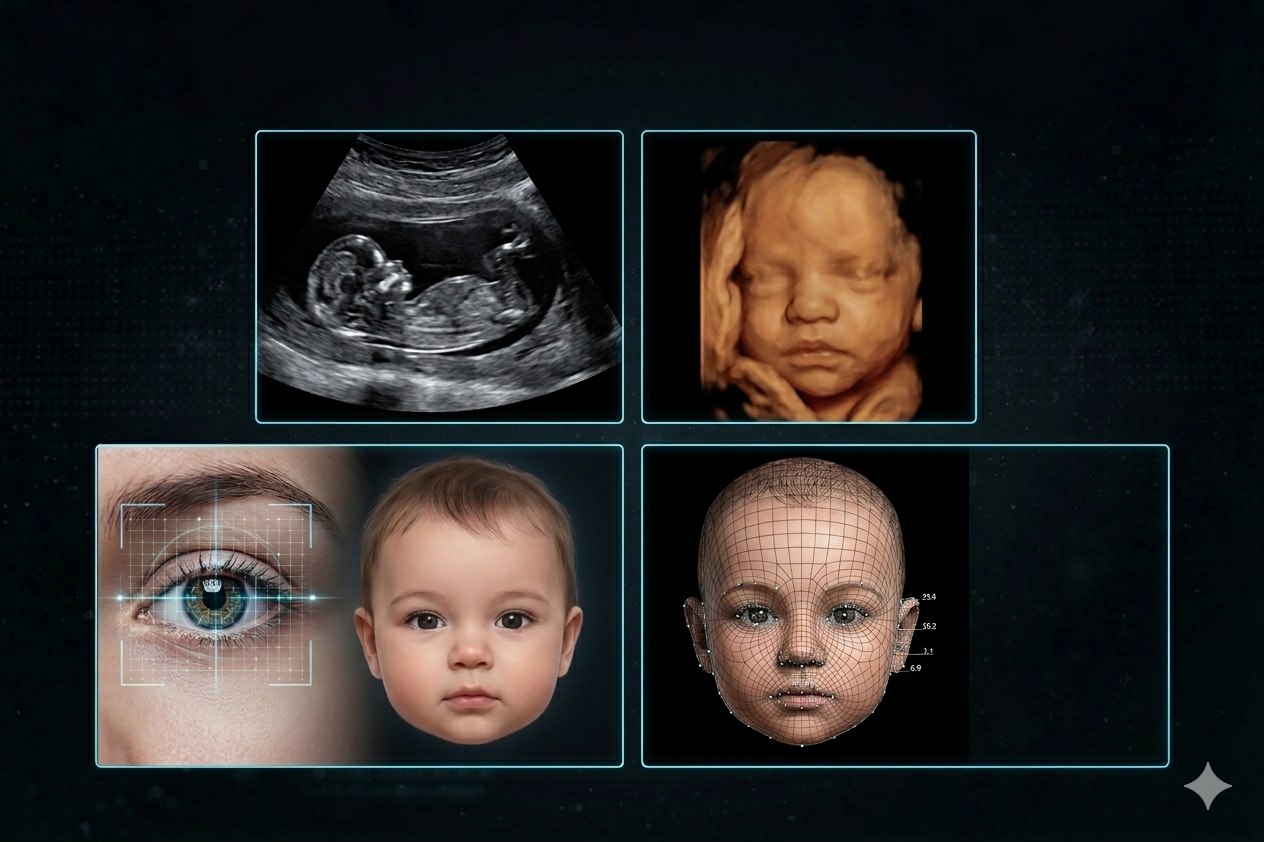
Many expecting parents wonder if it is possible to see their baby’s face before birth. With the rise of artificial intelligence, a new trend has emerged: using ultrasound images to predict a baby’s face. These AI-powered tools analyze prenatal scans and generate realistic baby face images, offering a glimpse into what your child might look like.
This concept combines medical imaging with advanced AI models, making it one of the fastest-growing topics in pregnancy tech and visual AI tools.
What Is Ultrasound Baby Face Prediction?
Ultrasound baby face prediction refers to the use of AI technology to transform ultrasound scans into more detailed and realistic baby face images. Traditional ultrasound images, especially 2D ones, can be difficult to interpret. AI tools aim to enhance these visuals and simulate how the baby might look after birth.
These tools typically work with:
- 2D ultrasound images
- 3D or 4D ultrasound scans
- facial structure estimation models
- AI image enhancement algorithms
The result is a clearer and more human-like baby face image generated from prenatal data.
How Does AI Turn Ultrasound into a Baby Face?
AI systems trained on large datasets of baby faces and ultrasound images can identify patterns between prenatal scans and real-life facial features. While the process is complex, the user experience is simple.
Here is how most tools work:
- Upload your ultrasound image
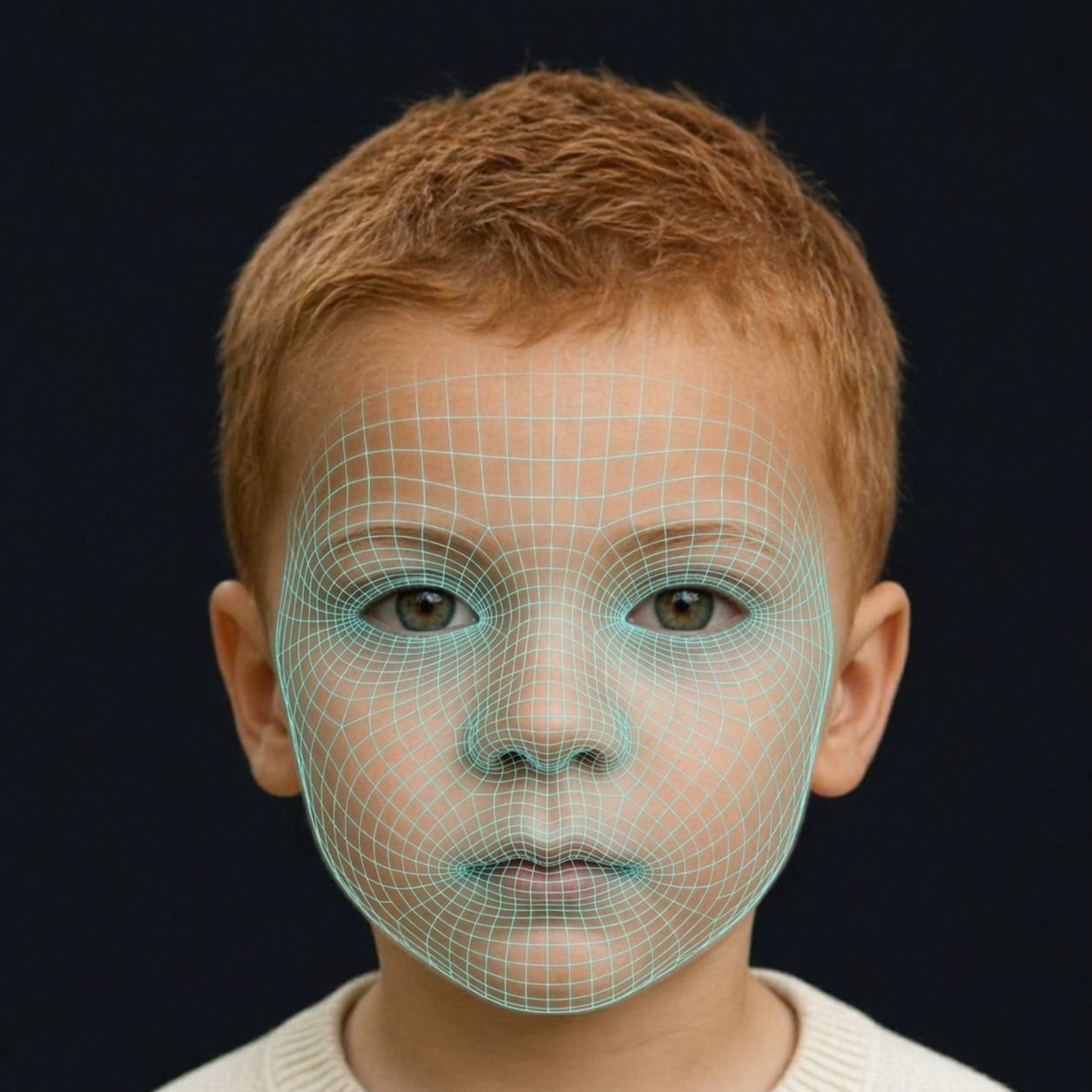
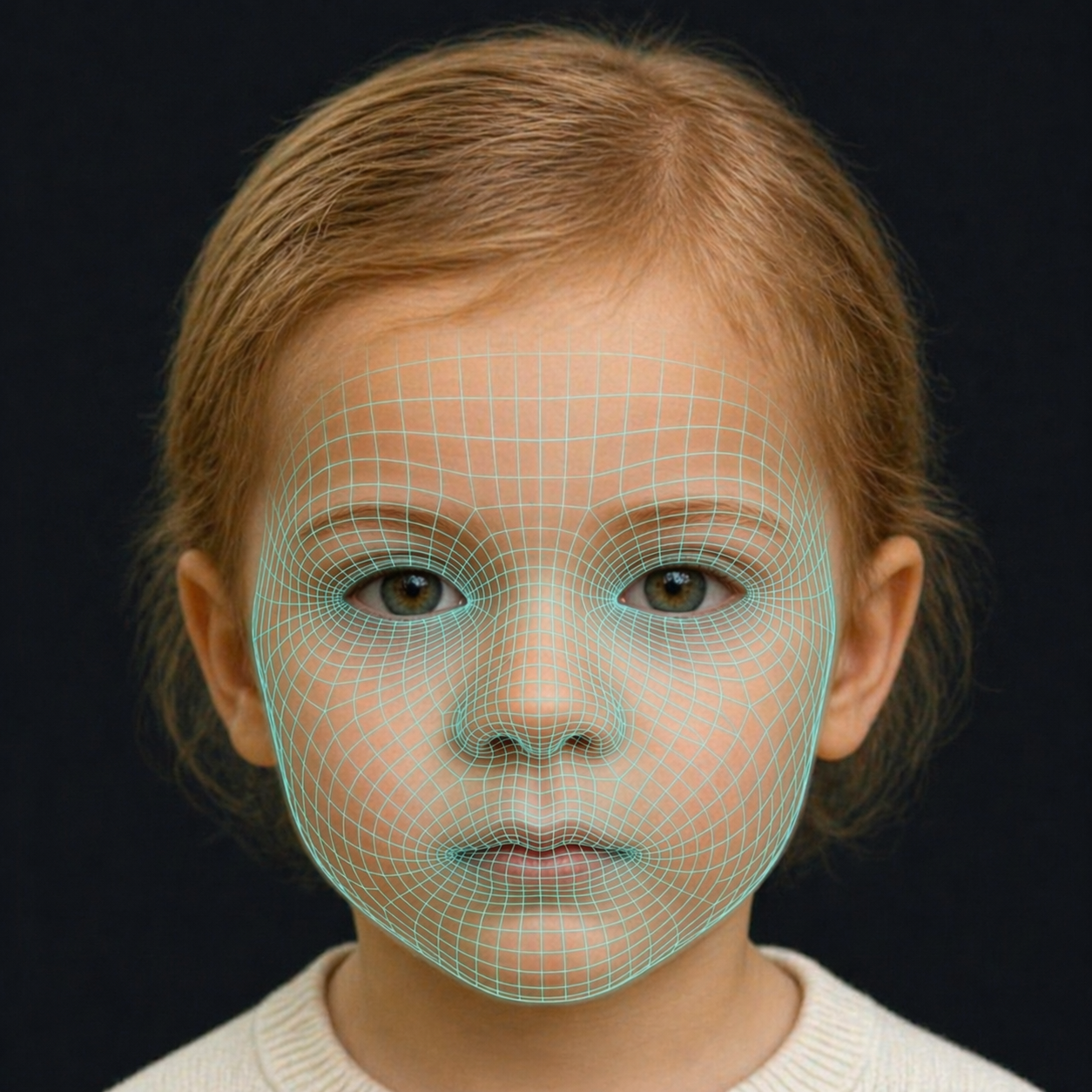
- The AI scans facial structure and contours
- Advanced models enhance and reconstruct the face
- A realistic baby face image is generated
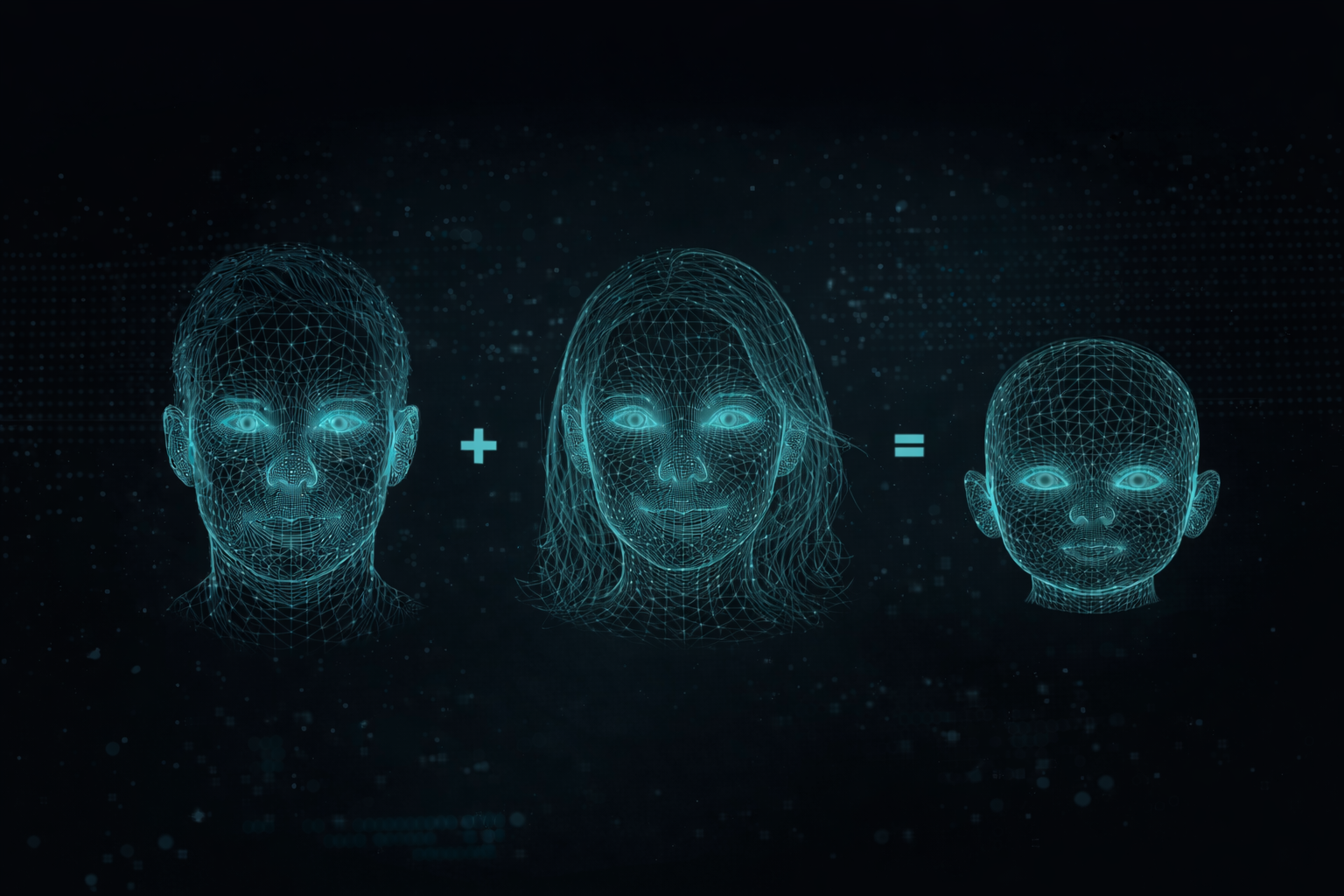
Some platforms also allow additional inputs, such as parent photos, to refine the prediction and create a more personalized result.
Why Is This Trend Growing So Fast?
The idea of seeing your baby’s face before birth is emotionally powerful. Combined with the accessibility of AI tools, this creates strong interest and high engagement.
There are several reasons why ultrasound face prediction tools are gaining traction:
- they make ultrasound images easier to understand
- they provide a more emotional connection during pregnancy
- they are highly shareable on social media
- they combine healthcare curiosity with AI innovation
Search interest in terms like ultrasound to baby face AI and baby face from scan has increased significantly as more users discover these tools.
Are Ultrasound-Based Baby Predictions Accurate?
This is one of the most important questions for expecting parents. While AI can enhance ultrasound images and generate realistic faces, these predictions are not medically accurate representations of how the baby will look after birth.
There are several limitations:
- ultrasound images do not capture full facial detail
- AI models rely on pattern recognition, not genetics
- baby appearance changes significantly after birth
For this reason, these tools should be viewed as a fun and emotional visualization rather than a precise prediction.
2D vs 3D vs 4D Ultrasound for AI Predictions
The quality of the output often depends on the type of ultrasound image used.
2D ultrasound: basic and less detailed, harder for AI to interpret
3D ultrasound: provides depth and better facial structure
4D ultrasound: adds motion and more realistic detail
AI tools generally produce better results when using 3D or 4D scans because they contain more visual information about the baby’s face.
Best Use Cases for Ultrasound AI Tools
People use these tools for different reasons during pregnancy. Some want a clearer idea of their baby’s appearance, while others are simply curious about AI capabilities.
- visualizing the baby’s face before birth
- sharing pregnancy milestones online
- creating memorable keepsakes
- exploring new AI image technologies
This type of content performs well because it connects deeply with emotional and family-oriented search intent.
Privacy and Safety Considerations
Uploading ultrasound images involves sensitive personal data. Before using any ultrasound AI baby generator, it is important to understand how the platform handles your files.
Make sure the tool clearly explains:
- how ultrasound images are stored
- whether data is shared with third parties
- how long files are retained
- how to delete uploaded content
Choosing a trustworthy platform improves both safety and user confidence.
Final Thoughts
The ability to turn an ultrasound scan into a realistic baby face is a powerful example of how AI is changing everyday experiences. While these tools are not scientifically exact, they offer something equally valuable: a meaningful and emotional preview that brings parents closer to their future child.
If you are curious about your baby’s appearance, trying an AI ultrasound baby face generator can be an exciting way to explore that curiosity in a new and modern way.
Frequently Asked Questions
Can AI truly predict my baby's face from an ultrasound?
AI tools can <em>generate realistic baby face images</em> from ultrasounds, but these are <strong>not medically accurate predictions</strong> of how your baby will look after birth. They provide an enhanced visualization based on facial structures identified in the scan, combined with AI models trained on many baby faces. It's best viewed as a fun, emotional preview rather than a precise forecast of appearance.
How accurate are AI baby face predictions from ultrasound images?
AI baby face predictions from ultrasound images are <strong>not scientifically accurate</strong> representations of a baby's final appearance. While AI can enhance visual details, ultrasound images lack the full facial detail needed for precise prediction, and a baby's look changes significantly post-birth due to genetic factors and development. They serve primarily as an emotional and visual tool for expecting parents.
What type of ultrasound works best for AI baby face generation?
<strong>3D and 4D ultrasound scans generally produce better results</strong> for AI baby face generation than 2D scans. 3D ultrasounds provide depth and more detailed facial structure, while 4D ultrasounds add motion, offering even more comprehensive visual information. 2D ultrasounds are basic and less detailed, making them harder for AI to interpret effectively for realistic face reconstruction.
Why is the ultrasound to baby face AI trend so popular?
The ultrasound to baby face AI trend is popular because it offers an <strong>emotionally powerful and accessible way for parents to connect with their unborn child</strong>. These tools make traditional ultrasound images easier to interpret, create highly shareable content for social media, and combine healthcare curiosity with cutting-edge AI innovation, fulfilling a desire to visualize the baby before birth.
Are AI-generated baby faces from ultrasound medically endorsed?
No, <strong>AI-generated baby faces from ultrasound are not medically endorsed</strong> as diagnostic or predictive tools. While they use medical imaging, their purpose is for emotional connection and visualization, not clinical accuracy. Healthcare professionals typically emphasize that these tools provide an artistic interpretation rather than a precise medical prediction of your baby's appearance.
How does BabyMorph use ultrasound images to generate a baby face?
BabyMorph, like other AI baby generators, uses AI models trained on extensive datasets of baby faces and ultrasound images. When you upload an ultrasound, the AI <strong>scans for facial structures and contours</strong>, then employs advanced algorithms to enhance, reconstruct, and generate a realistic baby face. This provides a visual representation based on the features detected in your prenatal scan.
What privacy concerns should I have with AI ultrasound generators?
When using AI ultrasound generators, you should be concerned about <strong>how your sensitive personal data and ultrasound images are handled</strong>. It's crucial to verify the platform's policies on data storage, whether files are shared with third parties, how long data is retained, and how you can delete your uploaded content. Choose trustworthy platforms that prioritize user privacy and transparency.
Can I combine parent photos with ultrasound for a better AI baby prediction?
Yes, some AI baby generators, like BabyMorph, allow you to <strong>combine parent photos with ultrasound images to refine the prediction</strong>. By incorporating genetic information from both parents, the AI can create a more personalized and potentially more realistic representation of what your baby might look like, going beyond just the ultrasound data to influence facial features and characteristics.