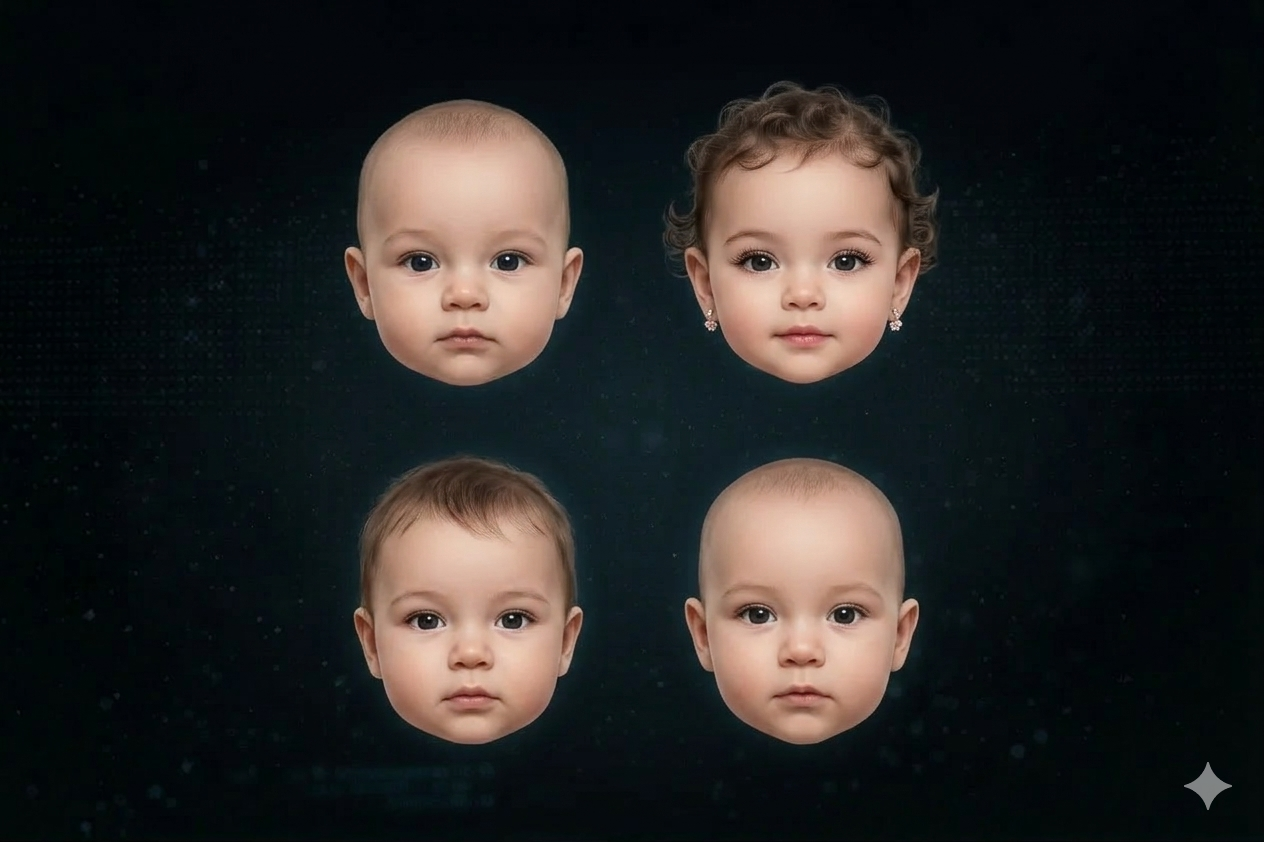
What Will My Baby Look Like? Try This AI Tool
Discover what your baby will look like with AI. Backed by genetics research from King's College London — see the science behind facial inheritance.
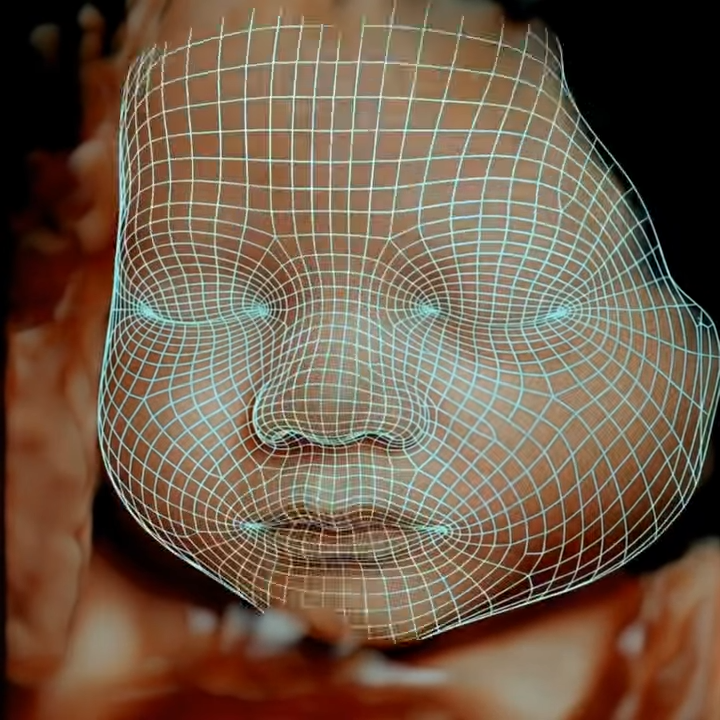
Have you ever wondered what your future baby might look like?
Most couples spend hours on this question — flipping through family photos, debating whose nose or whose eyes might win. It's one of those deeply human curiosities that used to have no real answer. Now it does.
BabyMorph uses AI to generate a realistic image of your future baby from two parent photos. And while it sounds like something from a science fiction film, the technology is built on surprisingly solid ground — because it turns out, your face already contains most of the answer.
What Does a Future Baby Look Like?
A baby's appearance isn't random. It follows a genetic pattern — and researchers have been mapping exactly which parts of the face are most predictable.
A study by King's College London examined 3D face models of nearly 1,000 twins and found that the nose tip, the area around the lips, the cheekbones, and the inner corners of the eyes are among the most strongly inherited features a person can have. The features you immediately recognize when you say "she has her father's nose" — those are precisely the ones most controlled by genetics.
Not every feature works the same way, though. Eye color, for instance, is famously unpredictable. It's not the simple dominant/recessive system most of us learned in school. At least eight genes are involved, with OCA2 playing the lead role — but even then, other genes can quietly override it. Two blue-eyed parents can have a brown-eyed child. Genetics, it turns out, likes to surprise people.
Which is part of what makes the FAQ below worth reading — especially if you've ever wondered why your siblings look nothing like each other despite sharing the same parents.
How an AI Baby Generator Works
The process happens in two steps, and it's faster than it sounds.
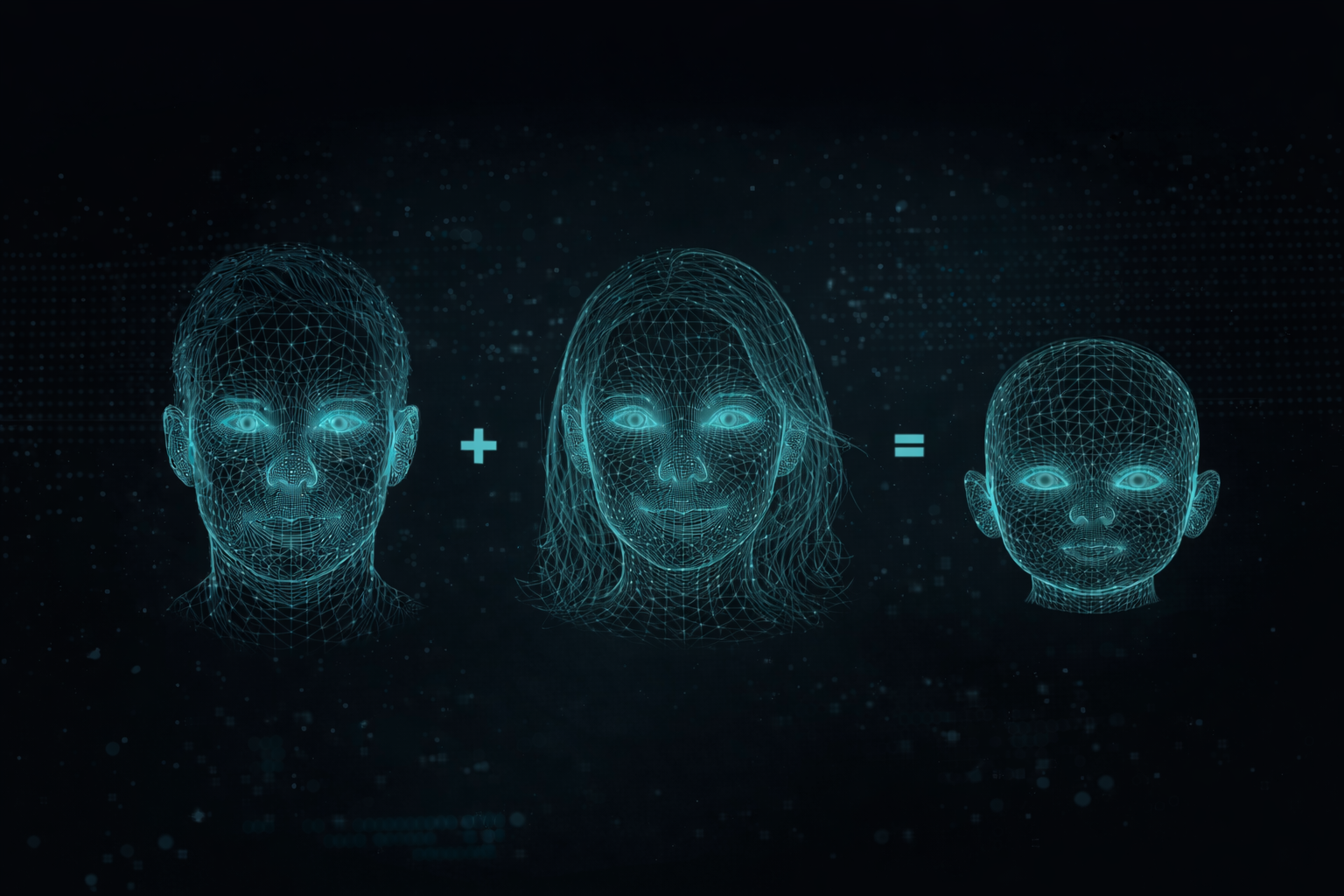
First, the AI scans both photos and extracts hundreds of facial measurements — the distance between your eyes, the curve of your nose, your jaw line, skin tone, cheekbone position. These get converted into a kind of numerical fingerprint for each face.
Second, a generative neural network takes those two fingerprints and synthesizes something new — a face that blends both. Early tools used a technology called GANs (Generative Adversarial Networks). More recent systems, including BabyMorph, use diffusion-based models that produce finer detail and more natural-looking results. A 2024 peer-reviewed study published in Multimedia Tools and Applications demonstrated exactly this kind of parent-to-child face generation using verified kinship data.
What makes this more than a random blend: the features the AI focuses on — nose shape, cheekbones, eye structure — happen to be the same features that genetics controls most strongly. The AI isn't guessing. It's working in the same territory your DNA does.
Why People Love AI Baby Generators
It's rarely just curiosity. The reasons people use BabyMorph tend to be more personal than that.
Some couples use it weeks before a due date — then quietly pull it back up after the birth to compare. Others use it specifically because they're from different ethnic backgrounds and can't easily imagine how two very different faces might come together. Some couples who are still trying use it not as a prediction, but as a way to make a hoped-for future feel a little more real.
And then there are the people who use it just to see what happens — and end up completely surprised by how specific the result looks.
Real experiences from our users are below. Some of them are hard to explain away as coincidence.
Are AI Baby Predictions Accurate?
Honest answer: BabyMorph generates a visual simulation, not a genetic forecast. Those are genuinely different things — a real genetic prediction would require a DNA test, not a photo.
What BabyMorph does is analyze the visual patterns in your photos and model how those features might combine. The results tend to feel surprisingly realistic because the AI is strongest exactly where genetics is most predictable — the nose, cheekbones, and eye area. Where it gets less certain is where genetics itself gets less certain: eye color, hair tone, the lower face. Traits that are shaped by dozens of interacting genes simultaneously.
So if your result surprises you — that's not necessarily the tool being wrong. Sometimes that's just genetics being genetics.
For the most accurate result, use a clear front-facing photo with natural lighting and no filters. The better the AI can read your face, the more it has to work with.
If you want to understand more about what the science actually says — what's predictable, what isn't, and why — the questions below go deeper.
Tips for Getting Better Results
- Use clear, high-quality photos
- Make sure both faces are fully visible and front-facing
- Avoid sunglasses, heavy filters, or extreme angles
- Natural, even lighting works best
- Neutral expressions help the AI map your facial structure more accurately
See What Your Future Baby Might Look Like
Upload two photos and let BabyMorph generate your future baby's face. It works directly in your browser and takes only a few seconds.
What our users say
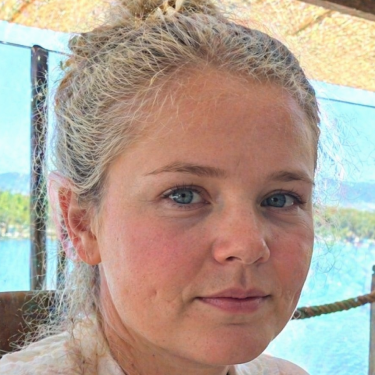
Lena K.
Germany
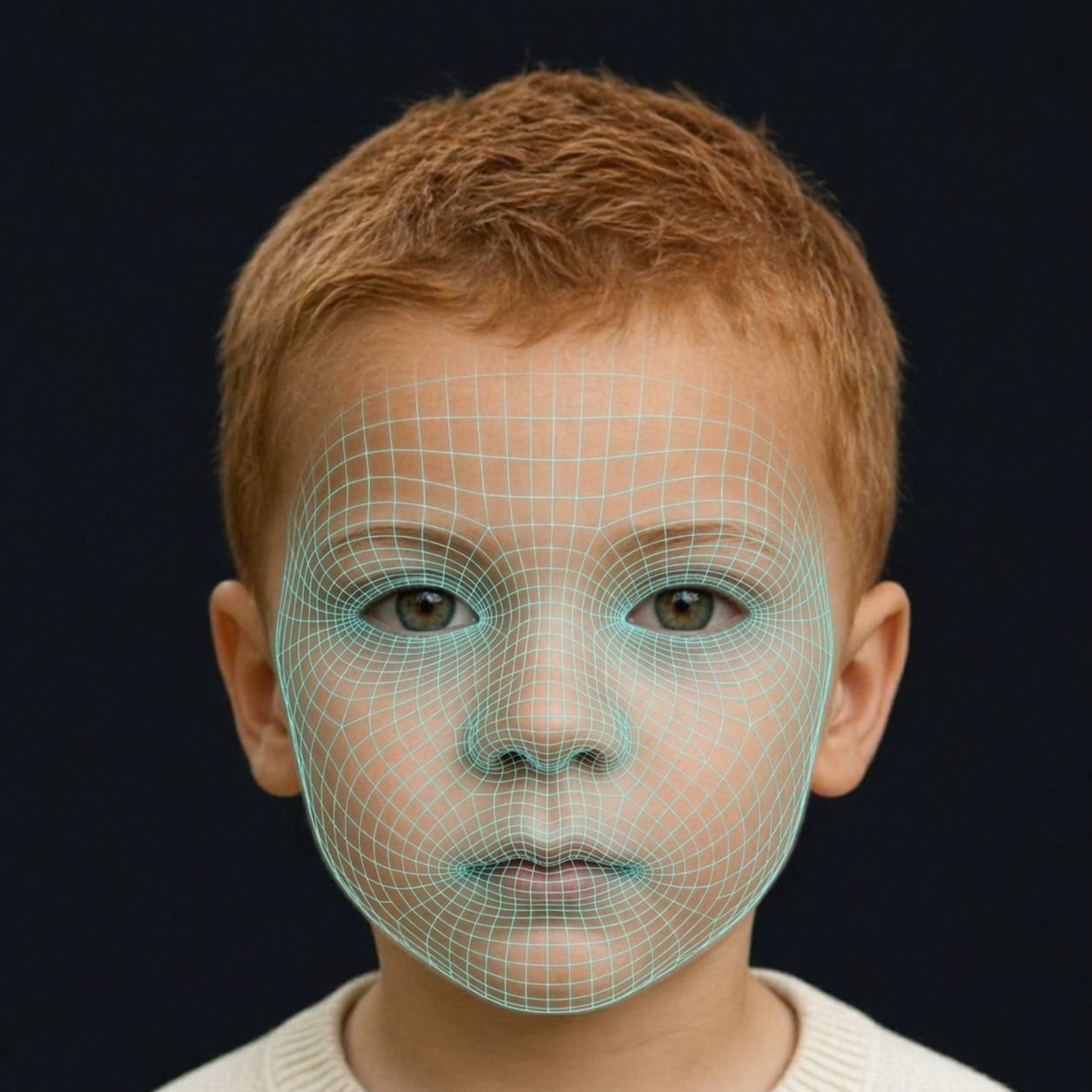
"We used BabyMorph almost as a joke during my third trimester — something to do on a Sunday afternoon. What came out was a baby girl with very light eyebrows, a wider forehead, and this particular way the nose sits slightly to the left. I remember laughing because it looked almost too specific to be random. She was born six weeks later. The eyebrows. The forehead. The nose. yes!! slightly to the left. I've shown the BabyMorph result to everyone who visits. Nobody believes it was generated before she arrived."
Their AI baby result


Jason T.
United States
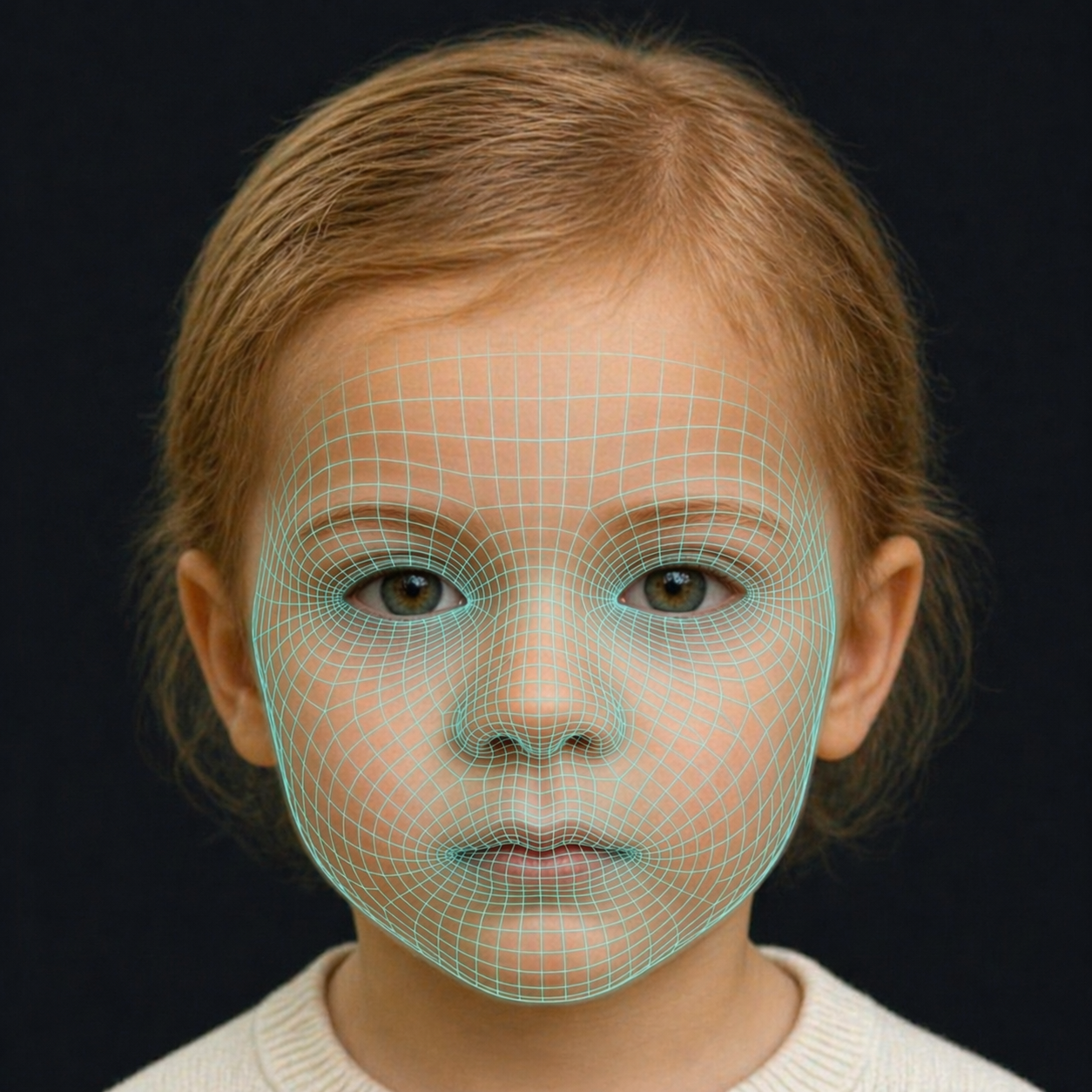
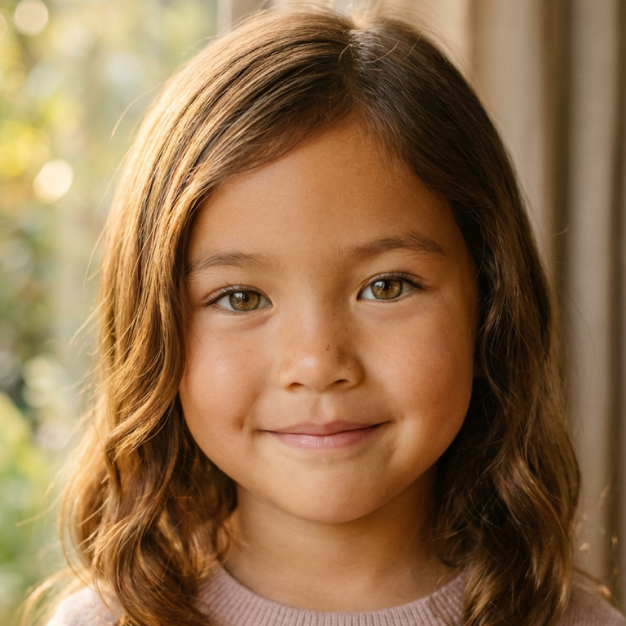
"I have an Asian wife and I've made a habit out of breaking these AI baby tools. Every single one I've tried has completely failed :) you get some generic face that looks nothing like either parent, or worse, it just picks one and ignores the other entirely. Mixed ethnicity is basically a stress test for these generators and they all fail it. So I tried BabyMorph expecting the same. I genuinely don't know what to tell you. It actually blended her features and mine in a way that made sense — you could see both of us in there without one canceling out the other. I've been showing it to people and they keep asking if it's a real photo. It's not. Just use it."
Their AI baby result
Frequently Asked Questions
Does my baby really inherit facial features from both parents?
Yes — and science confirms it precisely. A landmark study published in <em>Scientific Reports</em> by researchers at King's College London analyzed 3D face models of nearly 1,000 female twins. The findings showed that the tip of the nose is genetically determined at a rate of approximately 66%, the philtrum (area just below the nose) at 62%, and the cheekbones and inner corners of the eyes also ranked among the most strongly inherited features. Genetics accounts for as much as 80% of what our faces look like, according to twin heritability data. So your baby's face isn't a random outcome — it's a blueprint written in both parents' DNA.
Which facial features are most likely to be passed down genetically?
Not all facial features are equally heritable. The same King's College London study identified the nose tip as the most genetically influenced region, followed by the philtrum, cheekbones, and the inner corners of the eyes. In contrast, the lower parts of the face — chin and outer cheeks — showed lower heritability and are more shaped by environmental factors like nutrition and growth conditions. This is why a child might have their grandfather's nose, their mother's cheekbones, and a chin that looks entirely their own — all from the same genetic pool.
What eye color will my baby have?
Eye color prediction is more complex than most biology textbooks suggest. According to the U.S. National Library of Medicine, eye color is determined by variations across multiple genes — not a single dominant/recessive pair. The most influential gene, OCA2, controls roughly three-quarters of the blue-brown spectrum, but other genes can override it. This means two blue-eyed parents can, in rare cases, have a brown-eyed child — and vice versa. Research compiled by the HudsonAlpha Institute for Biotechnology found that over 120 genetic associations are now linked to eye color. The takeaway: eye color is a probabilistic outcome, not a predictable formula.
How does AI actually predict a baby's face?
Modern AI baby generators like BabyMorph work in two stages. First, facial recognition algorithms extract hundreds of numerical features from each parent's photo — nose shape, eye spacing, jaw structure, skin tone — and encode them as vectors in a high-dimensional space. Second, generative neural networks synthesize a new face by blending those vectors. Earlier tools used GANs (Generative Adversarial Networks); more advanced systems now use diffusion-based architectures, which produce finer skin texture and more naturalistic results. A peer-reviewed study published in <em>Multimedia Tools and Applications</em> (Springer Nature, 2024) demonstrated how conditional adversarial encoders can generate child face images from parent photos using this latent-space blending approach
How accurate is BabyMorph?
BabyMorph produces a visual simulation — not a genetic prediction. The distinction matters: a true genetic prediction would require DNA analysis. What BabyMorph does is identify the visual patterns in your photos and model how those features might combine in a child's face. The results feel convincingly realistic because the science backs the approach: the King's College London research confirms that the nose and cheekbones — the features AI analyzes most reliably — are precisely the most genetically heritable parts of the human face. That said, traits governed by many interacting genes (like eye color or hair tone) can produce surprises in real life — and that's genetics itself, not the tool. For best results, use well-lit, front-facing photos with neutral expressions
Is BabyMorph safe to use? What happens to my photos?
Your photos are used solely for image processing and are deleted from our servers once your result is generated. They are never shared with or sold to third parties. For full details, see our <a href="/privacy-policy">Privacy Policy</a>. As a general tip: the clearer and more front-facing your photo, the better the AI can map your facial structure — and the more accurate your result will be.
Can AI baby generators predict my baby's gender?
No, AI baby generators like BabyMorph <strong>do not predict your baby's gender</strong>. The technology focuses solely on facial feature blending and does not have the capability to determine biological sex. Gender is a complex biological trait determined by chromosomes, which cannot be inferred from facial images alone. The generated image will typically be a generic baby face that embodies a blend of both parents' features, without a specific gender assignment.
What kind of photos should I use for best results?
To get the best possible result from an AI baby generator, you should use clear, high-quality photos. Ensure both faces are fully visible and front-facing, avoiding sunglasses, heavy filters, or extreme angles. Natural, even lighting works best, as it helps the AI accurately map your facial structure. Neutral expressions are also beneficial, as they allow the AI to focus on your inherent bone structure and features rather than temporary expressions.